


























Practice what you preach is something she lives by, and by doing so, she is able to help uplift others.
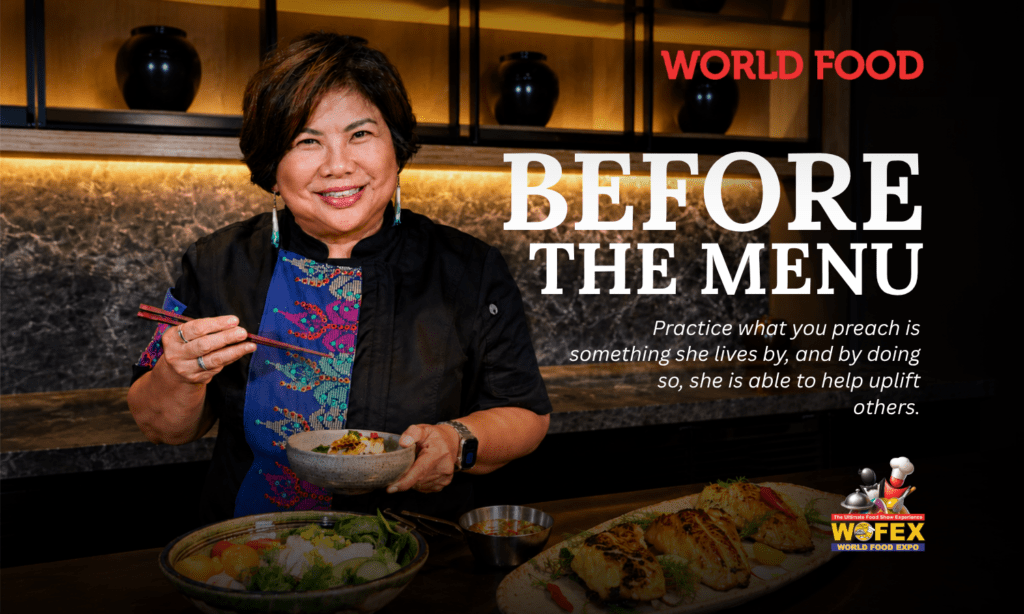
Chef Waya Araos-Wijangco rarely starts with a recipe.
She starts by understanding a place. “I always go to the market first. Before the menu, before anything—I need to understand the place,” she relates, all bright-eyed.
Whenever she visits a new destination, her first stop is the public market, where farmers unload freshly picked vegetables, fishermen sort the day’s catch, and vendors know exactly which produce is in season. She walks the aisles without rushing, asking about unfamiliar ingredients while paying attention to what people actually buy. Before planning a menu, she wants to understand the community and how people eat.
That habit has shaped her career, whether she is running Gypsy Baguio by Chef Waya or consulting for restaurants around the country. Rather than arriving with a fixed concept, she looks for what already defines how a community eats. She pays attention to the ingredients and the people behind them because they often reveal what makes a place’s food unique.
The palengke is only the first stop.
Wherever she travels, Araos-Wijangco also makes time for the neighborhood’s carinderia. These modest eateries rarely appear in travel guides, yet she considers them among the best places to understand regional cooking. “Carinderias [sic] are repositories of regional cuisine. That’s where you really taste where you are,” the chef explains.
Unlike restaurants that constantly reinvent themselves, a carinderia cooks for regular customers who come back because the food tastes familiar. Recipes survive through repetition rather than reinvention. A stew simmering since morning or vegetables prepared the way local families have cooked them for years can reveal more about a region than an elaborate tasting menu.
The same approach guides her consulting work. Before discussing food cost of menu engineering, she watches how people eat. She looks at which ingredients are abundant and what dishes keep customers coming back. She also pays attention to how home cooks make the most of what is available. These observations help restaurant owners build an identity rooted in local ingredients and eating habits, instead of one borrowed from somewhere else.
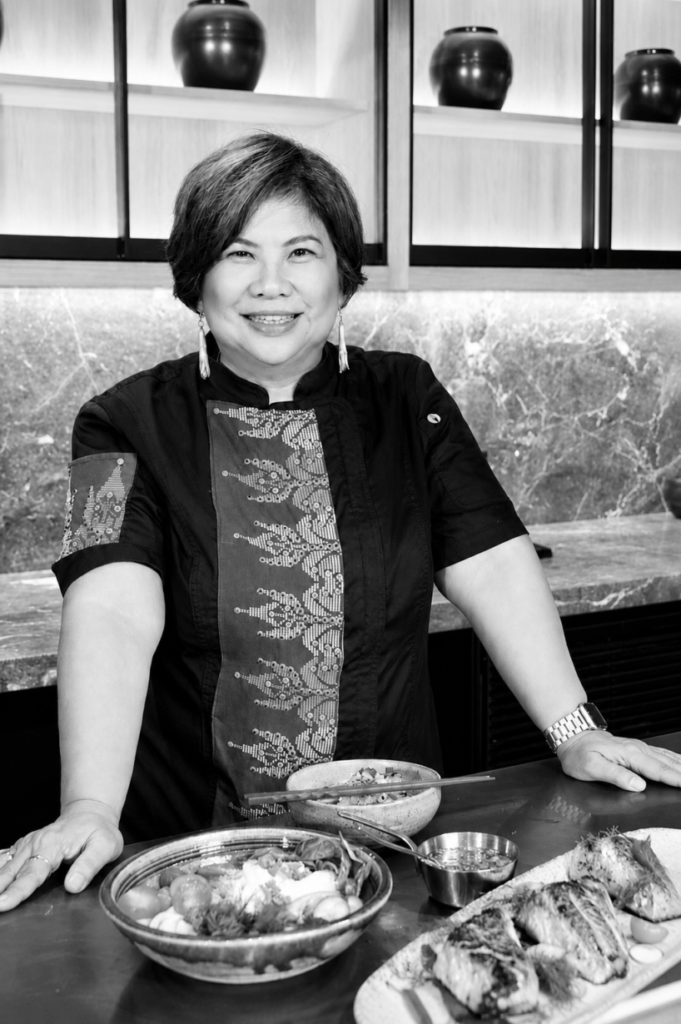
Years of traveling across Southeast Asia reinforced this practice.
In Vietnam, Malaysia, and Indonesia, she encountered ingredients that also grow in the Philippines but are used differently. Torch ginger flower, for instance, appears regularly in everyday cooking across Southeast Asia, yet to many Filipinos, it is an unfamiliar ingredient. She noticed that same pattern with wild greens growing alongside roadsides and farms. In neighboring countries, they are harvested and cooked. In the Philippines, many are overlooked because the people do not recognize their value.
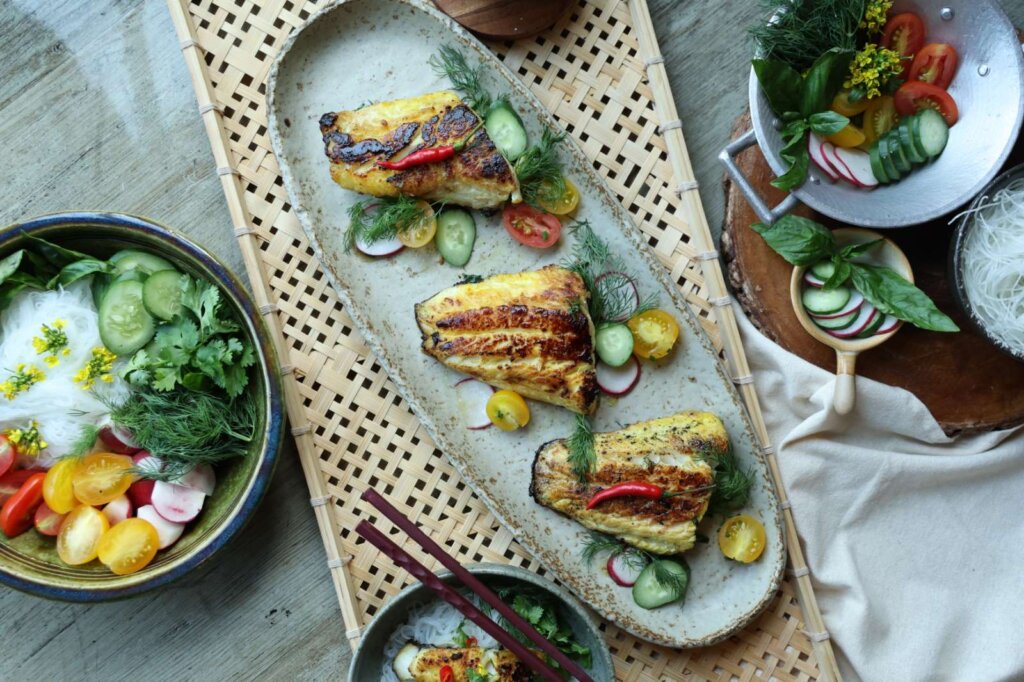
During one visit to a farm in Benguet, Araos-Wijangco noticed edible shoots that farmers routinely pulled out and tossed because they were considered weeds. Curious, she cooked them without disguising what they were. The farmers who tasted the dish came back for seconds. It was the same “weed” that was habitually discarded, but she managed to change how people viewed it.
Experience like that deepened her concern about food waste. Diners usually see only the vegetables that reach markets and restaurant kitchens. They seldom see perfectly edible produce left behind because it is crooked, undersized, or blemished. Farmers call these “class B harvests”—rejected not for taste or nutrition, but for appearance. “Farm-to-table is not just a label. The real question is: How much of the farmer’s harvest are you actually willing to take—and use?” she challenges
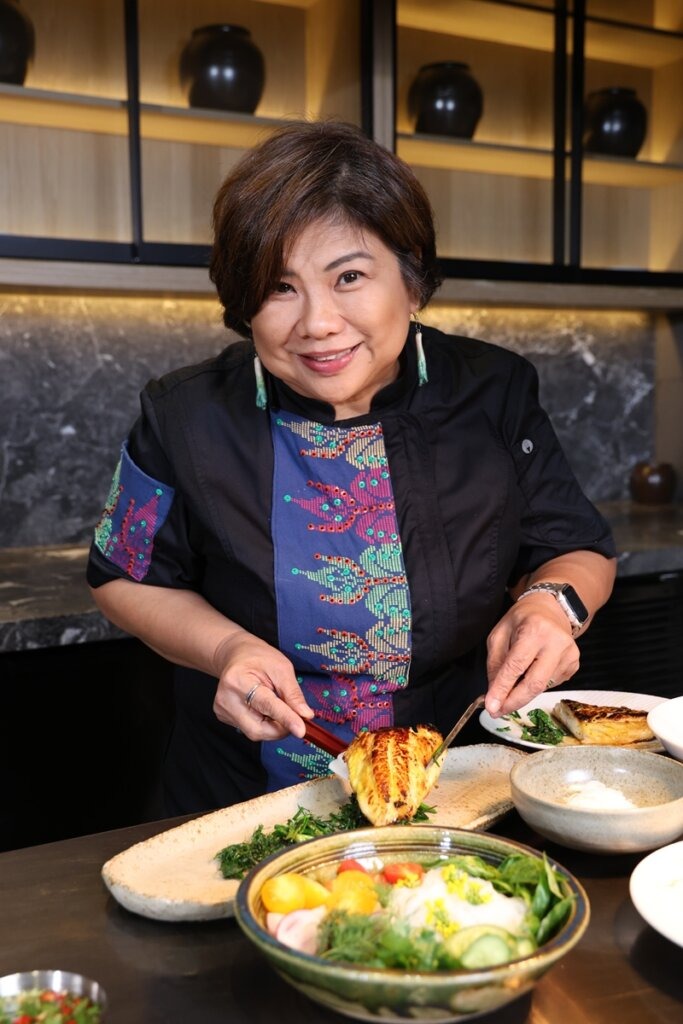
For Araos-Wijangco, supporting local agriculture means more than buying nearby. It means recognizing value beyond cosmetic perfection. Once vegetables are chopped, roasted or folded into a dish, few people can tell whether they started out perfectly shaped. Choosing only the most attractive produce leaves behind food that is actually good enough to eat, yet goes to waste.
That is one reason she encourages chefs to think beyond recipes. Every purchasing decision affects the farmers and workers who produced those ingredients.
Her advice to aspiring restaurateurs is equally practical. Many of them dream of opening a restaurant because they enjoy cooking. She reminds them that the profession demands much more than creativity over the stove. “You stop being just a cook. You become HR, maintenance, logistics, everything,” she teaches. The point is simple: culinary talent alone is not enough. Running a restaurant demands as much attention to operations as it does to cooking.
Her respect for local food extends to ingredients that have quietly endured despite changing tastes. Philippine artisanal salts such as asin tibuok and tul-tul, along with traditional vinegars from different regions, remain an important part of Filipino cooking, despite receiving far less attention than imported seasonings.
The same thinking shapes how Araos-Wijangco talks about kinilaw in Mindanao. Rather than describing it by comparing it with foreign dishes, she believes it should be appreciated on its own terms. Ingredients such as tabon-tabon, lanzones bark, and regional souring agents give kinilaw flavors unique to the communities where the dish developed. Recipes vary from one place to another, but each remains rooted in local tradition.
For Araos-Wijangco, preserving Filipino food is not about chasing novelty. It begins with understanding local ingredients and acknowledging the people who produce them. That approach has guided her work for years, and it continues to shape the way she cooks, travels, and advises restaurants. wf Cesar Cruz Jr.