



























She was all set to follow in the footsteps of her grandfather and father, an ambassador and military attaché, respectively. But the kitchen beckoned.
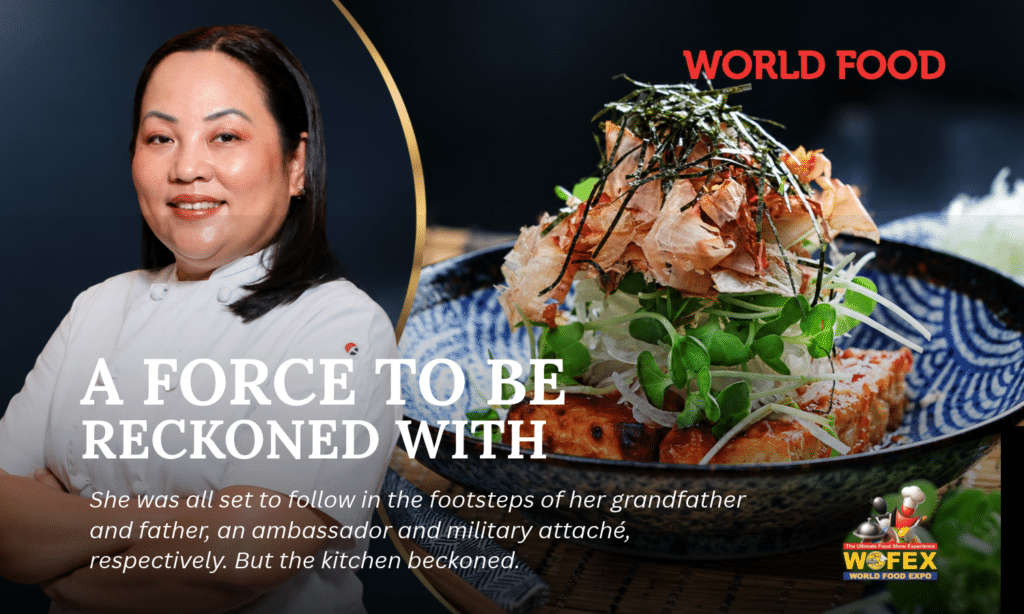
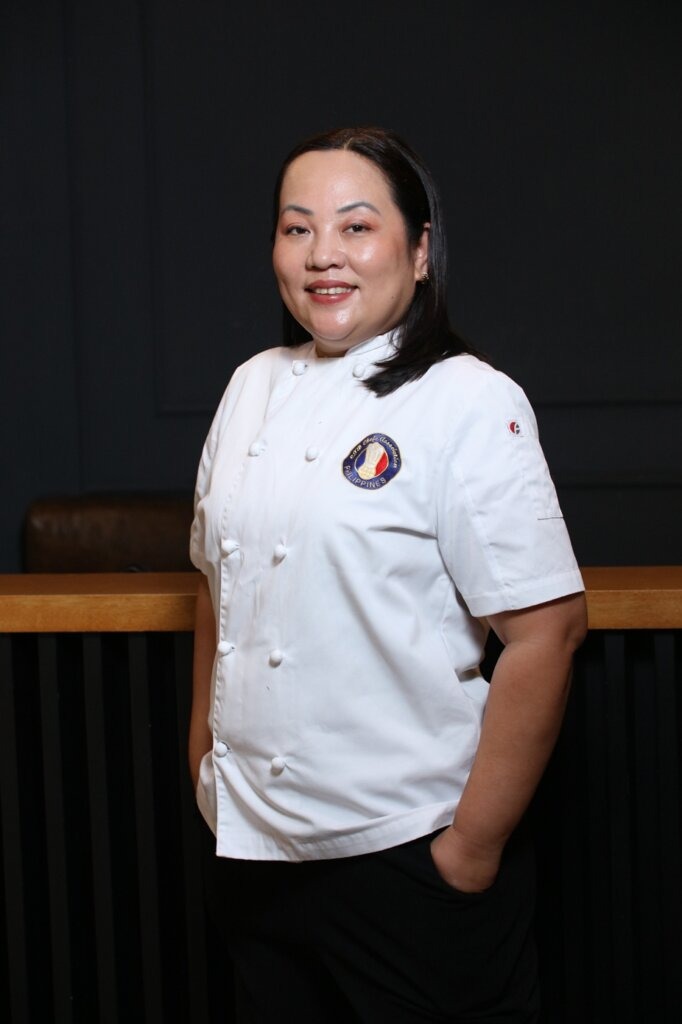
Working almost ten years in high-stake jobs in Singapore has certainly toughened Chef Mia Yan. But more importantly, it proved that her decision to become a chef was one of the best she has ever made.
She had finished her degree in International Studies when a friend told her about CCA (Center for Culinary Arts Manila). She had always been interested in cooking—always tagging along with her mom on her catering jobs. It was a pull she just couldn’t resist, so she wrote a letter to her father saying, “Pops please send me to school again—culinary school.” Perhaps he sensed she was on the right path, so he acquiesced.
In culinary school, Yan says, “I immediately felt that this was what I wanted to do.”
She followed in her mother’s footsteps and went into catering. Yan would later find herself at MIHCA (Magsaysay Institute for Hospitality & Culinary Arts) teaching and representing the school in competitions like the Philippine Culinary Cup (PCC). She had her first taste of international competition at FHA Singapore in 2010, where she took home a silver medal in the Individual Display category. She is grateful for the support given to her by Chef Ariel Manuel and his wife Mia. Yan says, “I realized it was hard work. Mahirap pala, you need to be well-prepared.” The experience lit a fire in her and she continued to vie and win in local and international contests. In 2016, she was part of the victorious National Team Philippines that won Best Culinary Establishment at FHA in Singapore.
Today, she finds herself on the other side of the table—a judge instead of competitor. As a WACS (World Association of Chefs’ Societies) Continental judge, she has been a jury member at major culinary competitions in South Korea, Thailand, Indonesia, Maldives, and the Philippines.
Having spent almost ten years working abroad, Yan is no stranger to the culinary scene in Asia. In 2016, she was given the opportunity to work in Singapore. The job required her to go there for a trade test—an audition, if you will. So, she got her competition ‘maleta’ ready and hauled it to the Lion City. She landed the job and she credits it to her preparedness for the trade test. “It was an aha moment,” she muses, “that all the things I learned while preparing for competition was leading to this.”
Looking back, she says it was the perfect opportunity for her and her son, who wanted to study abroad.
She worked her way to the top in the highly competitive institutional catering industry, with companies like the Compass Group and Smorgasbord International Pte. Ltd. She rose to head chef and chef manager, commanding high-performance kitchens churning out thousands of meals daily.
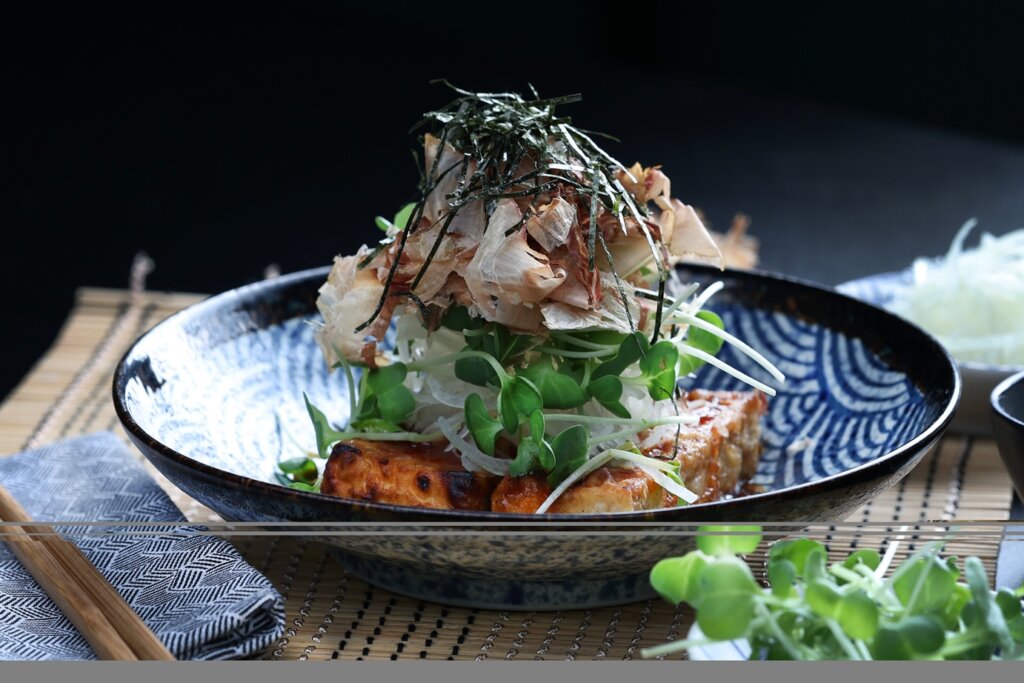
It was tough work but she proved herself. The struggle was real. It was day in and day out of battling being a foreigner, a female at the top of the totem pole, earning a bigger paycheck than locals, missing family and friends. It helped that she had her son with her. “My son and I both grew up,” she says of the decade stay.
By 2024, her son had finished school and she felt ready to come home. “When you’ve done all you can, when you’re no longer happy, then it’s time to go home.”
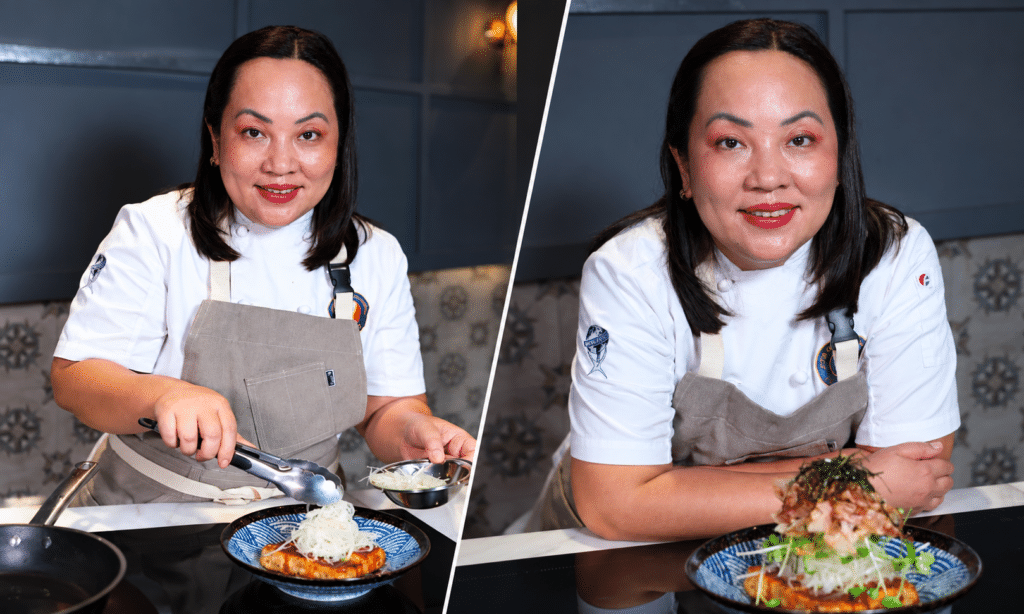
Upon her return to Manila, she took on the job as Executive Sous Chef of Chef J Gamboa’s Tsukiji. It’s a smaller operation than she’s used to but it keeps her busy and she is happy. Being here also gives her more time to be active with LTB Philippines Chefs Association, where she’s part of the Board of Trustees and to serve as advisor for PYCC (Philippine Young Chefs Club), the youth arm of LTB Phils.
Being part of PYCC is especially exciting for her as she enjoys working with the young chefs thru the caravans and university partnership activities. “This is one of the ways I can give back, because once upon a time a lot of people also helped me.” Her advice for the upcoming culinarians “You need to study, to learn the discipline of going to work every day, to learn the proper techniques, and the value of having mentors. Attitude is important in our line of work, it’s not all talent and skills.”
Yan is back for good, in a smaller kitchen where she can do the most good. She is free to do what she wants—be it judging, mentoring, or competing. She welcomes each day with a smile because she knows this is where she is meant to be. wf Cris C. Abiva