


























For Chef Maria Angela “Gel” Salonga-Datu, preserving heritage begins with listening.
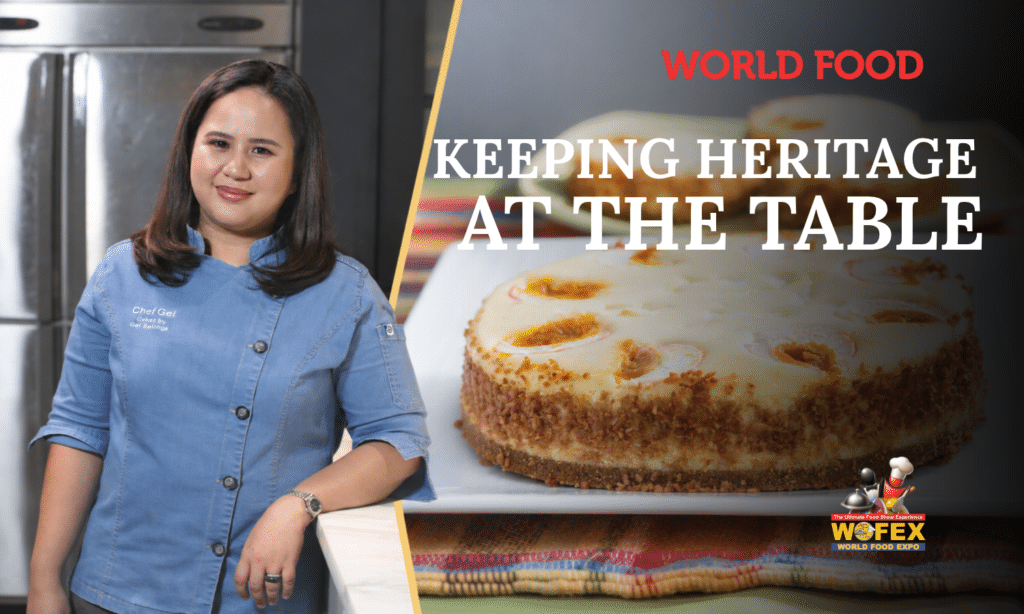
Before creating desserts inspired by Laguna, she spent time speaking with the people who knew the province best. She visited homes and shared meals with elderly residents, asking about the food they grew up with—what was commonly available, what appeared on family tables, and what flavors defined daily life in Santa Cruz long before dining trends and social media began influencing local tastes.
Those conversations shaped how she works. Instead of relying only on recipes, she paid closer attention to the stories behind them. They brought back memories of family gatherings, seasonal ingredients, and cooking methods that had quietly faded from everyday use. In many cases, they revealed ways of cooking that had never been written down.
“I would talk about what they used to eat when they were young, what the ingredients available were. From there, I would build the food of our place.”
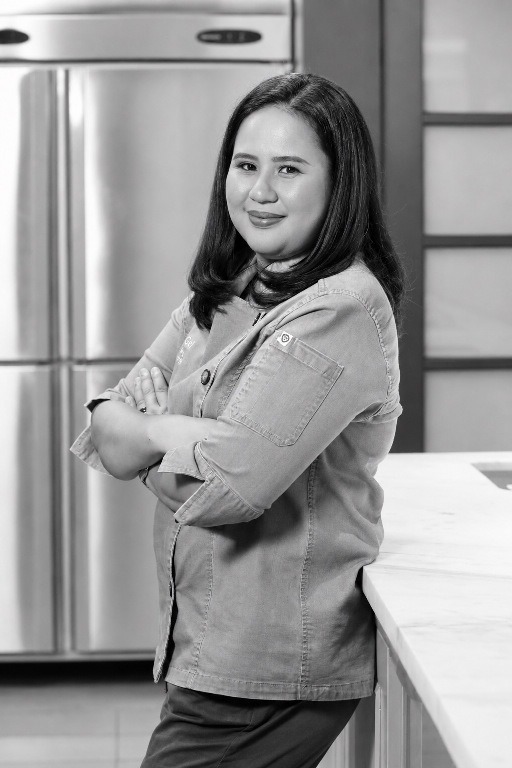
That place is Ted’s Kitchen, a restaurant she and her brother, the late Chef Day Salonga, opened in 2012 in honor of their father. She was actually working abroad, but decided to come home when Day was diagnosed with an autoimmune condition. Together, they worked to make it a success and today, she continues to run it with her husband and fellow chef, Dino Datu.
“When I came back to Laguna, I didn’t know how to bake.” She spent time beside her mother in the kitchen, repeating recipes until they felt natural, adjusting as she learned how ingredients behaved. Ted’s Kitchen began with comfort food inspired by American and Western classics before expanding to embrace Southern Tagalog cuisine and Laguna’s own culinary traditions.
Her interests gradually reached beyond the restaurant. Through the Slow Food movement in Laguna and initiatives supporting Laguna tourism, she began working more closely with local producers, artisans, and cultural advocates. The experience reinforced something she had already begun to discover in the kitchen: food cannot be separated from the people who grow it, make it, and keep its traditions alive.
Among the communities she came to know were the makers of kesong puti in Santa Cruz. Earning their trust was not immediate. “They were very guarded.” Rather than asking for recipes or techniques, she spent time getting to know them. As relationships developed, the cheesemakers became more willing to share their knowledge and eventually agreed to participate in demonstrations and events in Manila—something many had never done before.

Those efforts later aligned with broader initiatives, including the formation of a cheesemakers’ association and programs that continue to raise the profile of kesong puti within Laguna. For her, these developments are encouraging, but they also point to a larger concern.
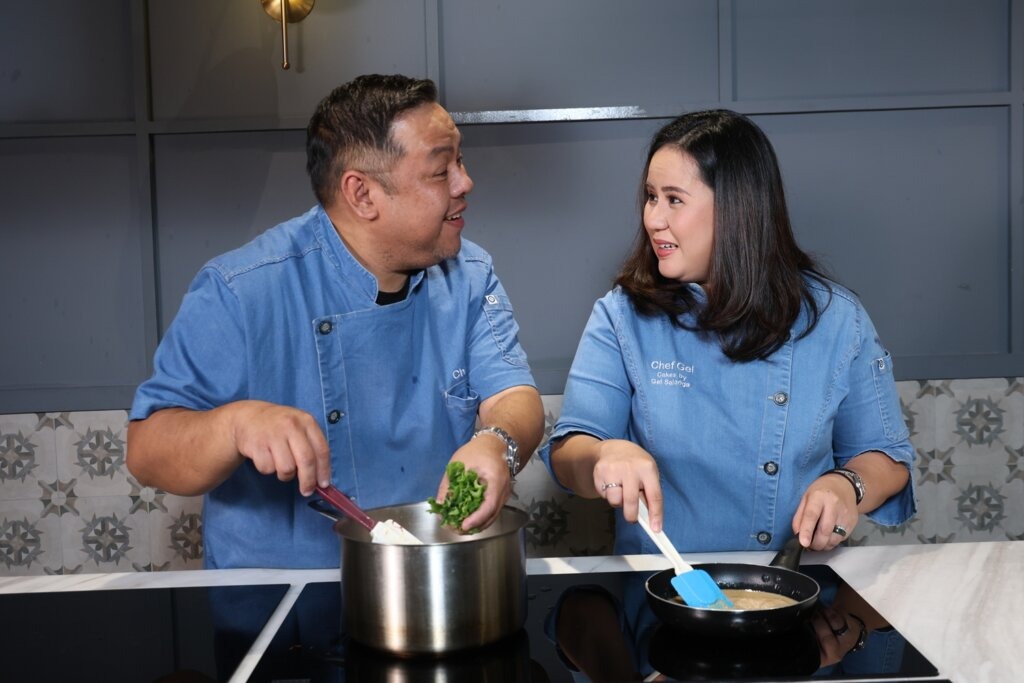
“The generation of cheesemakers is already old.” Her concern is not simply preserving recipes. It is whether younger people will continue making them. Traditions survive because someone chooses to practice them.
Beyond kesong puti, dishes such as minanok and cachuela continue to tell the story of Santa Cruz. Built around ingredients that were readily available, these dishes reflect the habits and resourcefulness of earlier generations. What once served everyday needs has gradually become part of the town’s identity.
Santa Cruz itself, she says, is not known for beaches or mountain resorts. Visitors come away remembering something else: the food, the people behind it, and the small businesses that continue to keep local traditions alive.
For her, heritage is not preserved by documentation alone. It survives because people continue to cook, make, teach, and share what they know. Every conversation with an elder, every visit to a producer, and every dish served at Ted’s Kitchen becomes another way of ensuring those traditions remain part of everyday life rather than memories of the past.
In the end, preservation is not anchored in written records alone. It lives in what people continue to practice and pass on before it fades. It begins not with recipes, but with conversations. wf Cesar Cruz Jr.