

























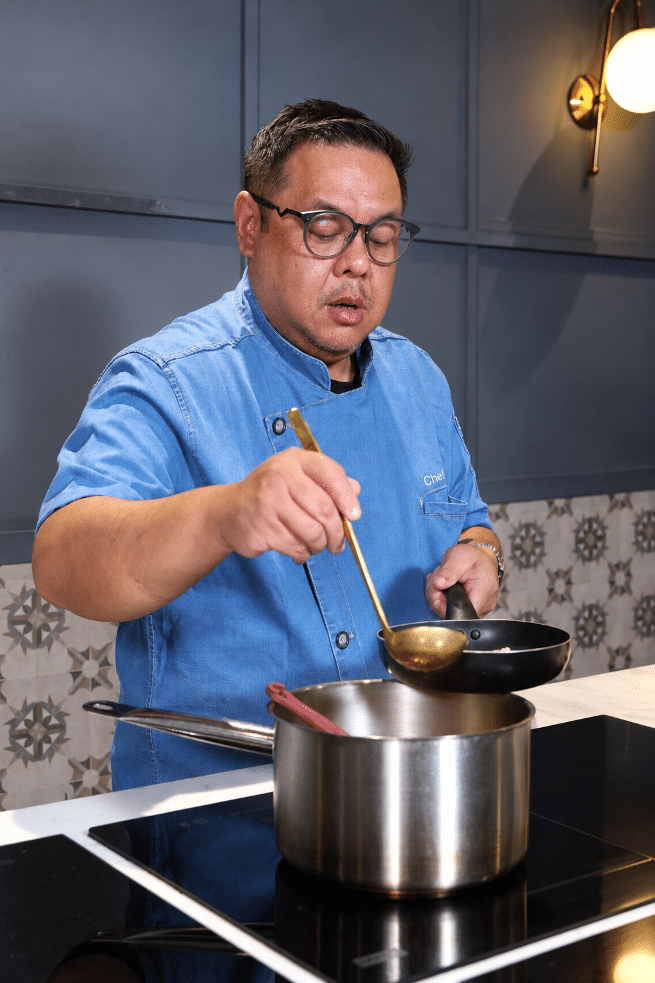
Chef Dino Datu says initially, his love for food was limited to just cooking. That thinking has definitely changed through the years.
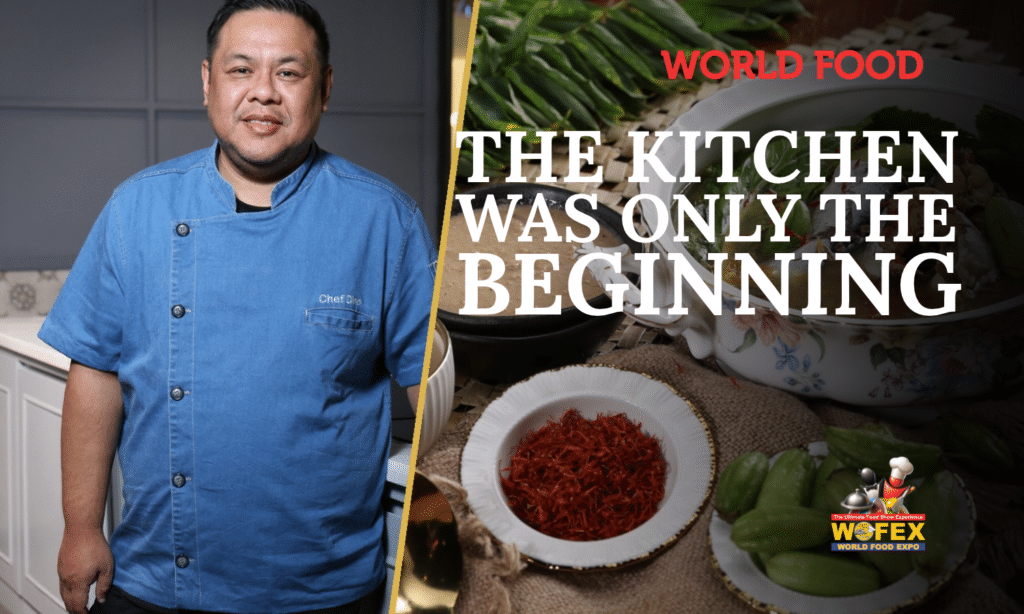
At the beginning of his culinary journey, he saw food in straightforward terms. Cooking was the goal, and the kitchen seemed like the obvious destination.
That interest started early. Like many aspiring chefs, he learned by watching cooking shows and helping out in the kitchen at home. Formal training eventually gave structure to that curiosity, turning enthusiasm into discipline and instinct into technique.
Formal culinary training was never part of the plan. After graduating from Ateneo de Manila University, he found himself uncertain about what came next, except for one thing—he wanted work that was food-related. He spent a little over a year in corporate work before enrolling at Le Cordon Bleu London, where he discovered that learning to cook meant far more than mastering technique. the school emphasized the connection between cuisine and place. Students learned that ingredients and recipes are shaped by geography, climate, and local tradition. “You’ll learn basic techniques and then regional cuisine,” he explained. “In Provence, it’s olive oil, tomatoes, oregano. Then you move to another region and everything changes.”
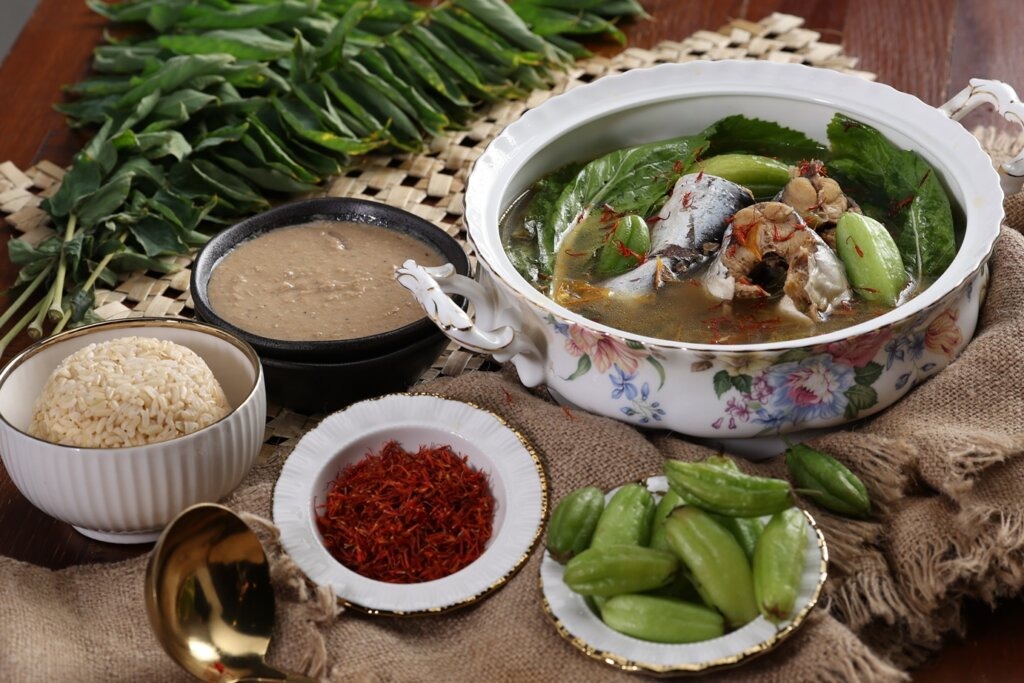
The lesson stayed with him. Years later, he would notice a similar shift taking place in the Philippines as more people became interested in the origins of ingredients and the traditions behind them. Foods that once attracted little attention were beginning to be appreciated differently. A bottle of vinegar, a jar of bagoong, or a regional delicacy carried a story about the people who made it and the place it came from. For Datu, that growing appreciation matters because it can help preserve traditions that might otherwise disappear.
“But if you give value to artisanal products, you support the family, and the next generation won’t hesitate to continue it.” It is why, he and his wife, Chef Gel, are active in the promotion of Laguna artisanal products, particularly the local kesong puti. They not just use local produce and products in their restaurant but also take part in various activities that can bring attention to them.
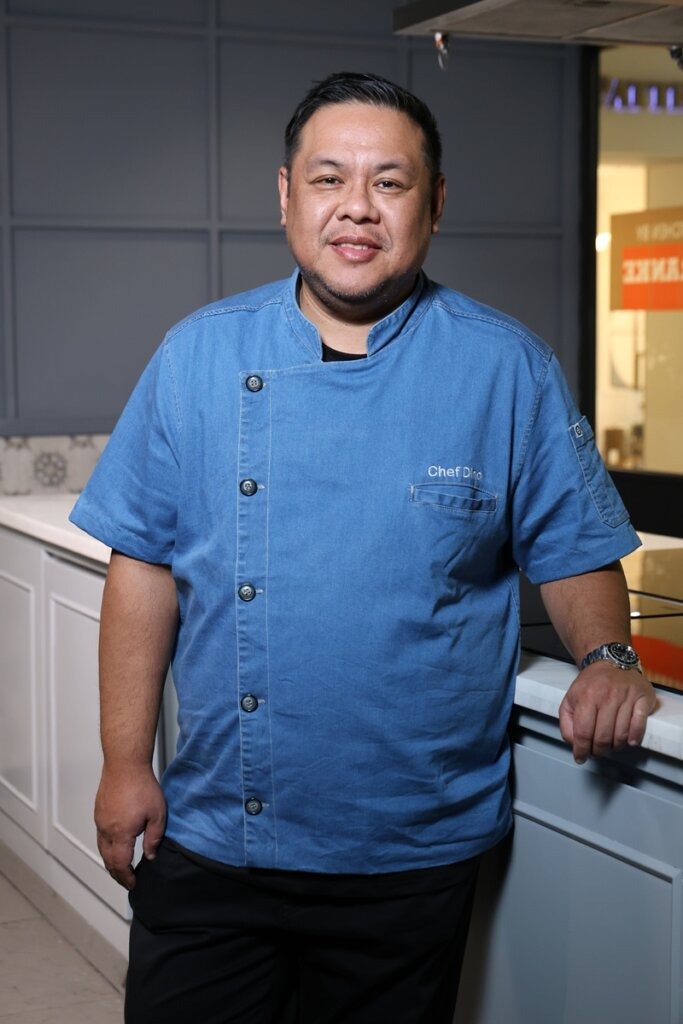
Datu is head of operations for Ted’s Hospitality Group, which includes Ted’s Kitchen/Aurora Filipino Cuisine, Teds Bed and Breakfast, and Ted’s Warehouse Events Venue. The business was started by Chef Day Salonga and his sister, Gel, who is Datu’s wife. They met when Datu was still working for Cook Magazine.
He got into magazine work as a freelance contributor but soon found himself immersed in the various aspects of the work. “That’s where I discovered that there’s another world to food,” he said.
Being part of the magazine exposed him to possibilities he had never considered. Publishing showed him that food knowledge could travel in many directions. Recipes still had to be tested for photo shoots, but the audience was different. Instead of serving diners, he was helping readers recreate dishes in their own kitchens. He eventually became full-time food editor and when longtime Editor-in-Chief Nancy Reyes-Lumen retired, he succeeded her.
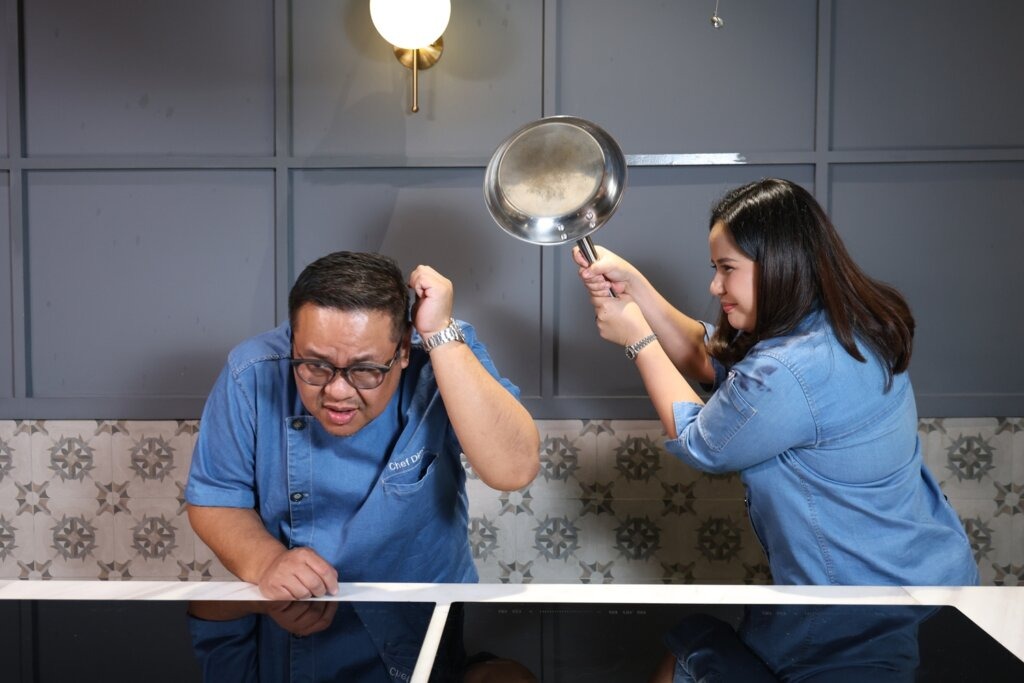
After the magazine ceased publication, he devoted his time running their hospitality group. He and his wife are also actively involved in efforts to promote and celebrate the rich culinary heritage of Laguna, to support sustainability efforts in Sta. Cruz, and continue to tell the stories of local food through their menu.
Writing, however, remains part of his life. He used to do a weekly column for The Daily Tribune then moved to Business Mirror, where he now covers golf. For the past three years, he has written about courses, equipment, and industry developments, allowing him to stay connected to another interest outside the kitchen.
The kitchen gave him his start. What followed showed him that a life in food could reach far beyond it. wf Cesar Cruz Jr.