


























He can be unconventional in his ways, choosing the path less traveled. But for Chef Sharwin Tee what matters most is what he is able to accomplish—and how it can benefit others.
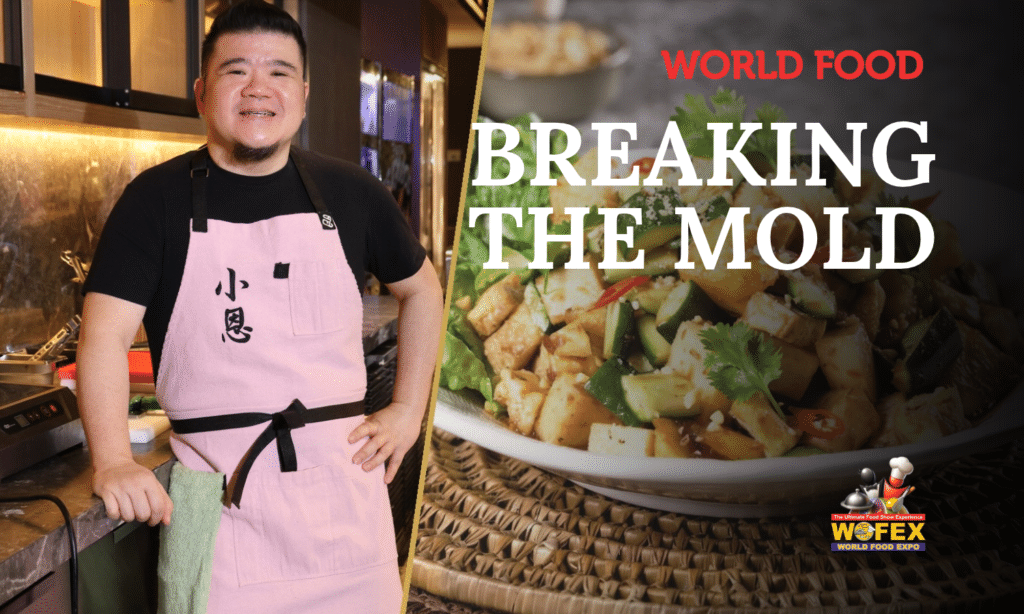
Watching the cooking show, Wok with Yan, at age six made Tee dream of becoming a chef. “I was fascinated with the idea that you can entertain and hold an audience mesmerized just by cooking,” he says. In hindsight, he says, he was most likely dreaming of being a TV chef and not a “chef” per se.
As it is, things turned out better than expected. He eventually found himself as a real chef, and, as we know now, a chef on TV as well.
Culinary school in Canada was not easy, he says, and at one point he questioned his decision to study to be a chef. “The work wasn’t glamorous, it was a lot of peeling potatoes and grating blocks of cheese,” he muses, but the rigorous training made him realize he was on the right path. The light bulb moment came when he saw how the customers in the restaurant were enjoying their food. That’s what being a chef is he realized—preparing and serving food that people will enjoy—and that’s what made him want to be one.
Coming home, he worked his way up in the industry—working at the Tower Club, running The Quirky Bacon—his own restaurant, doing consultancy work, demos, and seminars for top brands, and working as personal chef and caterer. He really made his mark, however, as a chef on TV.
It started with him winning the reality show Clash of the Toque-en Ones. The prize was getting to do his very own show. Titled Curiosity Got the Chef, Tee’s show ran successfully for several seasons. The show gave him a reputation for adding his own quirky twists to local dishes.
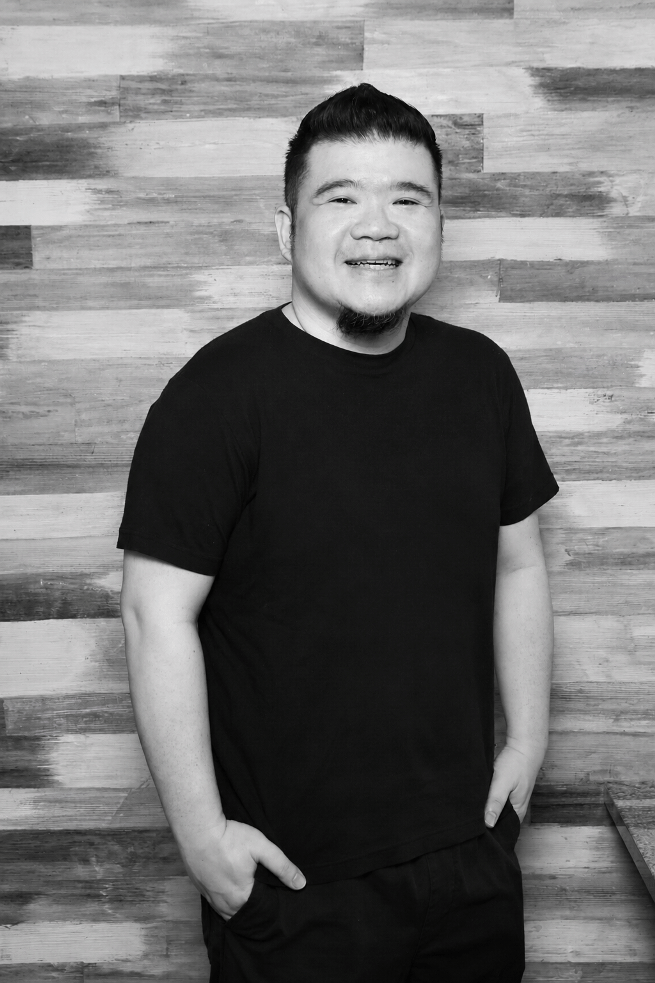
Tee thrived in this milieu, parlaying the show into his first cookbook of the same title. He has since authored two more books titled, So You Want to Be a Chef? and The Gospel of Food. He has hosted other shows since, is active on social media, and continues to indulge his love for writing. All these has not stopped him from putting up his own personal venture, Little Grace Dining, described as progressive Chinese-Filipino dining offering pop-up events here and in the U.S.
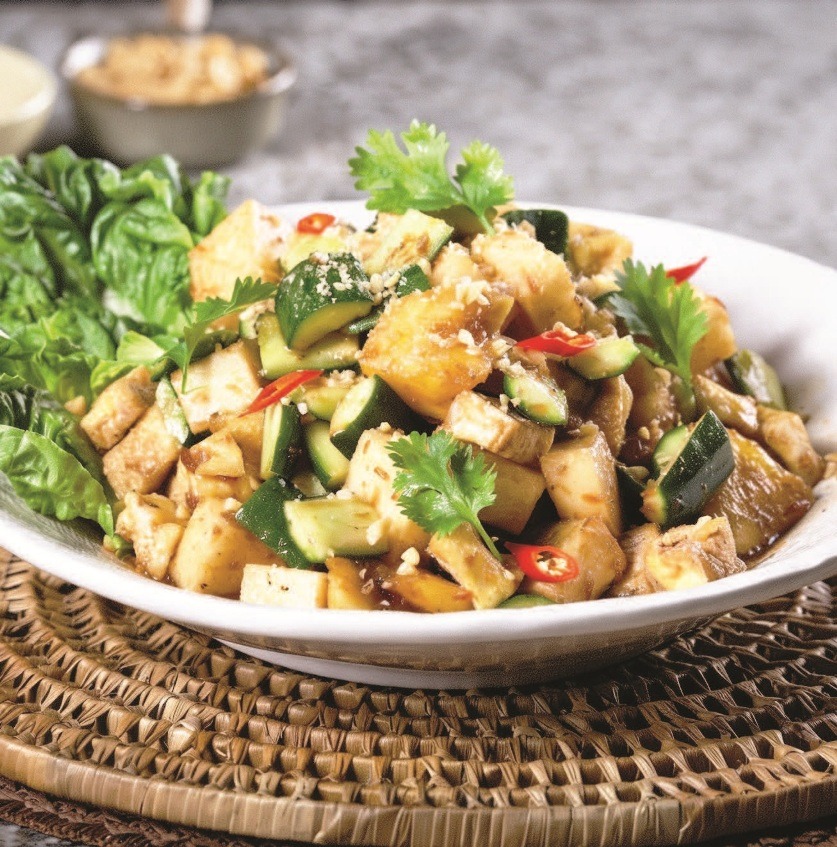
He has just finished an eight-month long pop-up stint at BGC where he offered the first-ever Tsinoy tasting menu, titled “Progress.” It included what he describes as ‘every dish a Tsinoy ate growing up.’ It’s a walk down memory lane, with the stories told through food.
Tee is focused on putting Tsinoy cuisine on the culinary map, even possibly getting it into the Michelin stage.
What is Tsinoy? He helps us understand. The first part is the descriptor while the second part is the noun, the English teacher in him says, thus Tsinoy is Filipino with Chinese heritage. Tsinoy food is Chinese food cooked in the Philippines, ever evolving and growing. It’s Filipino with Chinese influences. Tee says it’s just like our regional cuisines but with no specific region as Tsinoys are spread all over the country.
He says it isn’t easy to define or categorize, that there is still a lot of confusion as to which dishes are actually Tsinoy, that assimilation can be confusing because of the centuries-long relationship between the Chinese and Filipinos. “I want to keep working with historians to define clearly what Tsinoy food is,” Tee expresses.
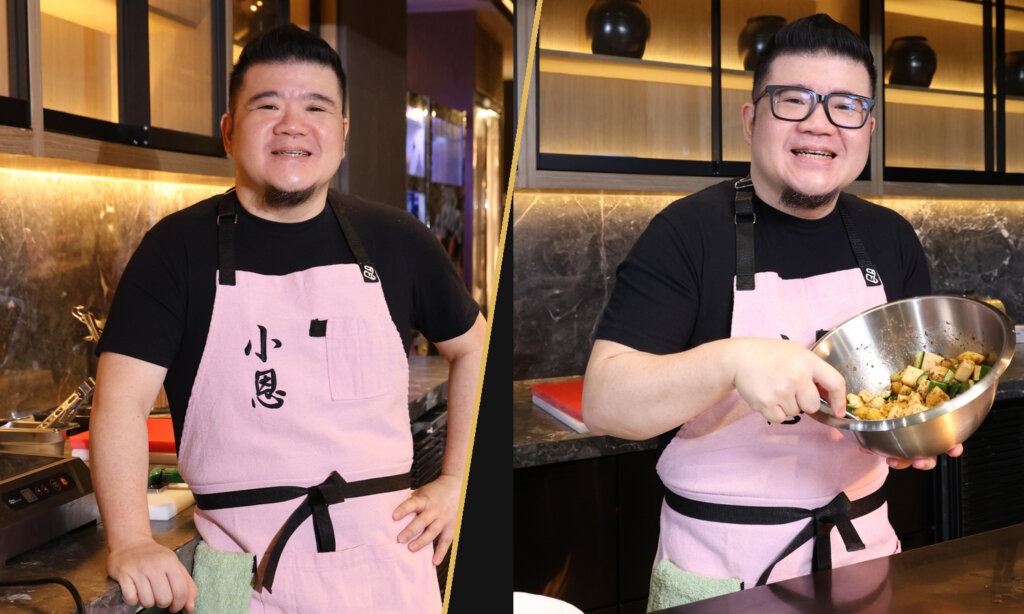
What was the verdict of Tsinoys on his degustacion? He happily relates that the meal was well-received and he got the highest compliments from grandparents who said, “It’s not bad.” While many may think that’s not exactly complimentary, Tee says for Tsinoys, that actually translates to “It’s great.” So, he is happy.
This has been his most challenging work to date, he says, as he targets to achieve three things: give diners a unique dining experience while also learning about Tsinoy culture, to give Tsinoy cuisine a fine-dining feel, and to be able to donate to charity.
Tee says, “My life has been pretty great so I want to give back, but I don’t want to just ask people for money.” He decided that the best way he knew to go about it was to provide a service, get paid, then donate to worthy causes. This is why a portion of his pop-ups’ earnings is donated to projects that benefit indigenous communities.
The last frontier, as he calls it, is to find a permanent home where Little Grace can continue highlighting Tsinoy cuisine. An old home of a Tsinoy family would be perfect, he says, as Tsinoy food is tied to family.
“This is my eternal work,” he says, “hindi matatapos. There is still so much to learn and discover.” This is why he relishes talking not just with historians, but also family elders who have so many stories to share. “Little Grace will never stop telling stories about Tsinoy culture and Tsinoy cuisine,” he vows. wf Cris C. Abiva